
Introduction
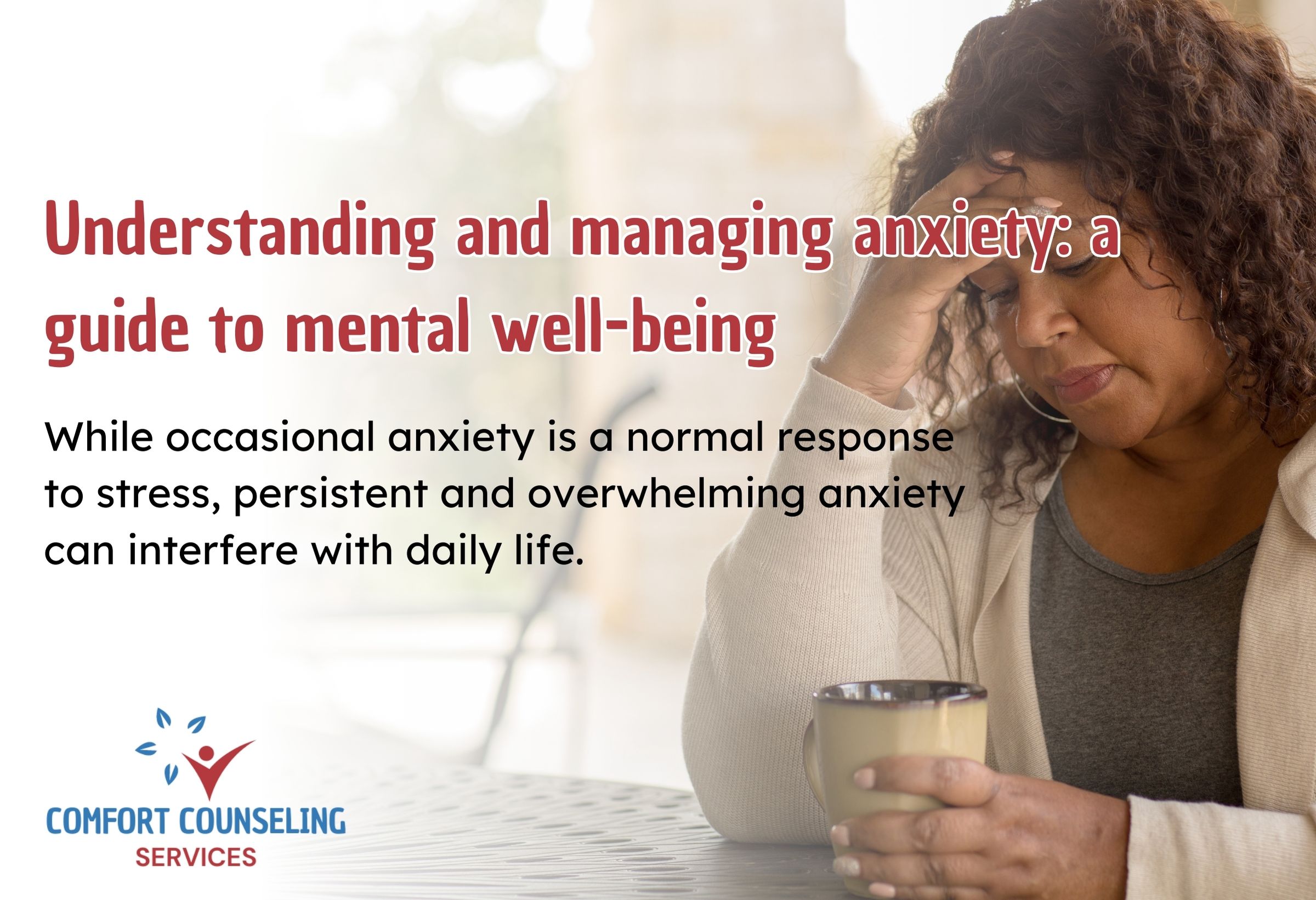
Anxiety is a common mental health challenge affecting millions of people worldwide. While occasional anxiety is a normal response to stress, persistent and overwhelming anxiety can interfere with daily life. According to the World Health Organization (WHO), anxiety disorders affect 301 million people globally, making them one of the most prevalent mental health conditions (WHO, 2023).
In this blog, we will explore the causes of anxiety, common symptoms, and practical strategies to manage it effectively. We will also highlight professional support options and recommend additional resources for further learning.
What is anxiety?
Anxiety is the body’s natural response to stress, danger, or uncertainty. It triggers the “fight-or-flight” response, releasing stress hormones such as cortisol and adrenaline. While this response can be helpful in short-term situations, chronic anxiety can lead to emotional and physical exhaustion (American Psychological Association, 2023).
Anxiety disorders include:
- Generalized Anxiety Disorder (GAD): Persistent and excessive worry about various aspects of life.
- Panic disorder: Sudden episodes of intense fear accompanied by physical symptoms such as heart palpitations and shortness of breath.
- Social anxiety disorder: Fear of social interactions and judgment from others.
- Phobias: Intense fear of specific objects or situations.
- Obsessive-Compulsive Disorder (OCD): Repetitive thoughts and behaviours aimed at reducing anxiety.
- Post-Traumatic Stress Disorder (PTSD): Anxiety triggered by past traumatic events.
Symptoms of anxiety
Anxiety manifests in different ways, affecting thoughts, emotions, and the body. Common symptoms include:
Emotional and cognitive symptoms
- Persistent worry or fear
- Difficulty concentrating
- Feeling irritable or restless
- Overthinking and expecting the worst outcomes
Physical symptoms
- Rapid heartbeat
- Shortness of breath
- Muscle tension and headaches
- Sweating and dizziness
- Stomach problems, such as nausea or irritable bowel syndrome (IBS)
Causes of anxiety
Anxiety can stem from a variety of factors, including:
Biological factors
- Genetics: Anxiety disorders often run in families (National Institute of Mental Health, 2024).
- Brain chemistry: Imbalances in neurotransmitters like serotonin and dopamine can contribute to anxiety.
Environmental factors
- Chronic stress: High-pressure jobs, financial difficulties, or academic stress can lead to anxiety.
- Trauma: Past experiences such as abuse, accidents, or loss can trigger anxiety disorders.
- Substance use: Alcohol, caffeine, and drug use can exacerbate anxiety symptoms.
Psychological factors
- Negative thinking patterns: Catastrophic thinking and self-doubt increase anxiety levels.
- Perfectionism: High self-expectations can lead to chronic worry.
Practical strategies to manage anxiety
Managing anxiety requires a combination of self-care techniques, lifestyle adjustments, and professional support. Here are some proven strategies:
1. Mindfulness and relaxation techniques
Practicing mindfulness reduces anxiety by shifting focus to the present moment. Techniques include:
- Deep breathing: Slow, controlled breathing reduces the stress response. Try the 4-7-8 technique—inhale for 4 seconds, hold for 7 seconds, and exhale for 8 seconds.
- Progressive muscle relaxation: Systematically tensing and relaxing muscles helps reduce physical tension (Jacobson, 2023).
- Meditation: Regular meditation lowers cortisol levels and promotes a sense of calm (Kabat-Zinn, 2022).
2. Cognitive Behavioural Techniques
Cognitive Behavioural Therapy (CBT) is a highly effective method for managing anxiety. CBT techniques include:
- Challenging negative thoughts: Identifying and replacing irrational fears with balanced perspectives.
- Exposure therapy: Gradual exposure to feared situations reduces anxiety over time.
- Journaling: Writing about anxious thoughts helps process emotions and identify patterns.
3. Lifestyle adjustments
- Exercise: Physical activity releases endorphins, which reduce anxiety symptoms (Harvard Health, 2024).
- Healthy diet: Reducing caffeine, sugar, and processed foods can stabilize mood.
- Adequate sleep: Poor sleep exacerbates anxiety; aim for 7–9 hours of rest per night.
4. Seeking professional help
If anxiety becomes overwhelming, seeking professional support is essential. Options include:
- Therapy: Cognitive Behavioural Therapy (CBT) and Exposure Therapy are effective treatments.
- Medication: Antidepressants and anti-anxiety medications may be prescribed by a psychiatrist.
- Support groups: Connecting with others experiencing anxiety can provide encouragement and practical coping tips.
When to seek help
You should consider professional support if:
- Anxiety interferes with daily life, relationships, or work.
- You experience panic attacks regularly.
- You have thoughts of self-harm or suicide.
If you or someone you know is struggling with severe anxiety, contact a mental health professional, counsellor, or crisis helpline.
Conclusion
Anxiety is a manageable condition with the right strategies and support. By practicing mindfulness, making lifestyle changes, and seeking professional help when needed, individuals can regain control of their mental well-being. If you’re experiencing anxiety, remember that you’re not alone, and support is available.
Additional Resources
Books
- The anxiety and phobia workbook by Edmund Bourne
- Dare: the new way to end anxiety and stop panic attacks by Barry McDonagh
- The mindful way through anxiety by Susan M. Orsillo and Lizabeth Roemer
- Feeling good: The new mood therapy by David D. Burns
Blogs
- Anxiety & depression association of America – www.adaa.org
- Calm Blog – www.calm.com/blog
- Psychology Today: anxiety articles – www.psychologytoday.com
YouTube Channels
- The anxiety guy – Offers practical advice for managing anxiety.
- Therapy in a nutshell – Covers evidence-based anxiety management techniques.
- Calm – Guided meditations and relaxation exercises.
Articles
- Harvard Health. (2024). Exercise and Anxiety: The Science Behind It.
- National Institute of Mental Health. (2024). Anxiety Disorders: Symptoms, Causes, and Treatment.
- World Health Organization. (2023). Global Mental Health Report on Anxiety Disorders.
For professional counseling and support, reach out to Comfort Counseling Services. Our team is here to guide you on your journey to emotional well-being.