
Introduction
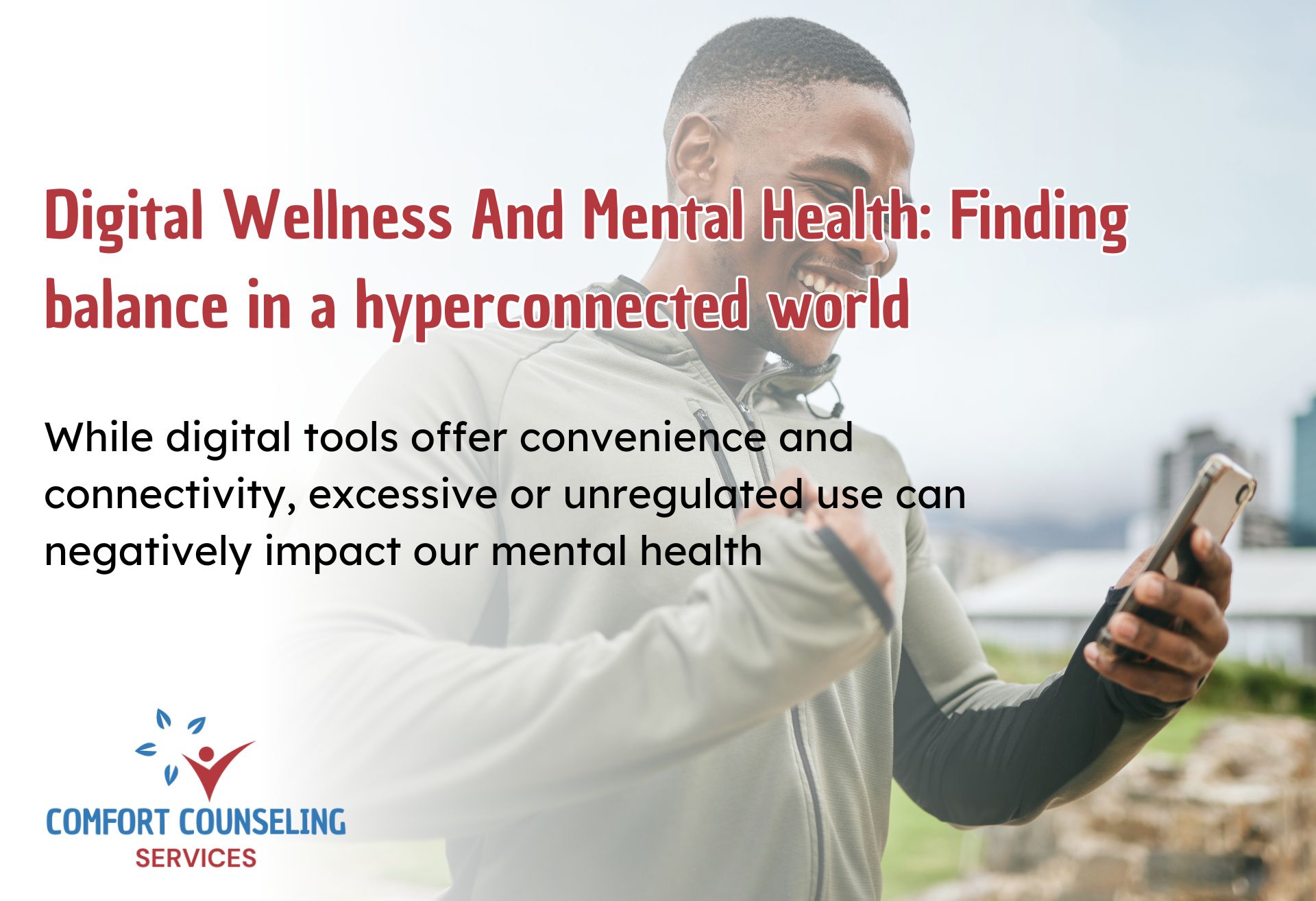
In today’s digital age, technology permeates every aspect of our lives—from work and education to relationships and leisure. While digital tools offer convenience and connectivity, excessive or unregulated use can negatively impact our mental health. July 2025 is an opportune moment to spotlight the concept of digital wellness—a proactive approach to managing technology use while maintaining mental and emotional well-being.
Understanding digital wellness
Digital wellness refers to the intentional use of technology in ways that support rather than harm one’s physical, emotional, and psychological health. As digital dependency grows, particularly among young people and professionals, understanding its effects becomes essential.
A report by the World Health Organization (WHO) highlights that screen overexposure can lead to sleep disturbances, reduced attention span, anxiety, and social isolation (WHO, 2023). In Kenya, a 2024 report by the Kenya ICT Authority noted that 67% of youth aged 15–30 spend more than 5 hours daily online, primarily on social media, with implications for mental health and productivity.
Negative effects of digital overuse
- Mental fatigue and burnout
Constant connectivity can cause cognitive overload. A study published in the Journal of Behavioral Addictions found that individuals who used smartphones for more than 6 hours a day reported higher rates of anxiety and depression (Elhai et al., 2021). - Social disconnection
Ironically, while technology connects us, it can also isolate us. Social media comparisons can erode self-esteem, especially among teens and young adults. The Kenya Mental Health Policy (2021–2030) warns of the growing link between digital exposure and suicidal ideation among adolescents. - Sleep disruption
Exposure to blue light from screens delays melatonin production, disrupting sleep patterns. Poor sleep quality is a risk factor for mental disorders including depression (Harvard Medical School, 2022).
Benefits of digital wellness
Cultivating digital wellness promotes:
- Improved focus and productivity
- Better sleep and rest cycles
- Stronger real-life relationships
- Reduced anxiety and depressive symptoms
When individuals become intentional about how and when they use technology, they experience a greater sense of control, purpose, and inner peace.
Practical steps toward digital balance
- Implement screen time limits
Use built-in smartphone features or apps like Forest or Digital Wellbeing to monitor and reduce daily screen time. - Establish tech-free zones and times
Designate no-screen zones (e.g., dining area, bedroom) and tech-free hours (e.g., during meals or before bedtime) to foster face-to-face connections. - Practice mindful technology use
Before engaging online, pause and ask: “Is this adding value to my well-being?” This helps reduce mindless scrolling and emotional dependence on likes and comments. - Engage in offline hobbies
Replace screen time with enriching activities such as reading, exercising, journaling, or spending time in nature. - Seek digital detox opportunities
Plan regular digital sabbaths—whether for a few hours, a weekend, or a full week—to reset your mind and reconnect with yourself and others.
Counseling insight: The role of therapists in digital wellness
At Comfort Counseling Services, we recognize that digital imbalance can be a subtle yet powerful contributor to anxiety, depression, and strained relationships. Through personalized counseling and workshops, we help clients:
- Assess their digital habits
- Develop healthier online boundaries
- Address underlying issues such as fear of missing out (FOMO) or online bullying
- Learn emotional regulation and digital assertiveness
Our programs also support parents and educators in guiding youth toward healthier digital behaviours.
Resources and recommendations
- Apps for Digital Wellness:
- Forest – Stay focused by planting virtual trees
- Freedom – Block distracting apps/websites
- Headspace – Mindfulness and relaxation
- Books:
- Digital Minimalism by Cal Newport
- The Tech-Wise Family by Andy Crouch
- Articles:
- Elhai, J. D., et al. (2021). Smartphone use and mental health: A review. Journal of Behavioral Addictions.
- Local Support:
- Comfort Counseling Services offers virtual and in-person digital wellness coaching for individuals, families, and schools. Contact Us Here
Digital tools should serve us, not enslave us. July is a month to reflect on our digital habits and embrace practices that foster balance, joy, and mental health. At Comfort Counseling Services, we are committed to walking with you as you rediscover peace in a hyperconnected world.